3 Sept 2024
The 10 Most Common Cyber Threats and How to Defend Against Them
The 10 Most Common Cyber Threats and How to Defend Against Them
2024.09.03
Today many different types of cyberattack can threaten not only individuals but also larger organisations. In this article we list the ways you can defend against them, so that your information and your business are as secure as possible.
Cyberattacks of all kinds can be extremely costly for the individuals and organisations that fall victim to them. According to the FBI Internet Crime Report, cyberattacks caused a dramatic USD 10.2 billion in losses in 2022. Moreover, this figure is expected to keep growing in the coming years, so cybercrime remains a significant cause for concern.
Many factors contribute to the rising number of cyberattacks. Among other things, inflation has increased the cost of preventing cyberattacks, so some companies struggle to fit cybersecurity measures into their budgets, which leaves them vulnerable. Global geopolitical tensions have also increased the number of politically motivated cyberattacks.
In this article we examine cyberattacks, the different types to watch out for, and the methods you can use to protect yourself or your organisation.
What Exactly Is a Cyberattack?
A cyberattack is an attempt to steal, alter, destroy, disrupt or disable information resources and systems in computer networks and systems. Cyberattacks fall into two categories: insider threats and external threats. Insider threats are committed by individuals who have legitimate access to the targeted systems and who use that access to exploit vulnerabilities, intentionally or unintentionally. They may be committed by a disgruntled or angry employee, or by a contractor with access to the organisation’s systems. External threats come from people with no connection to the system under attack, such as criminal organisations or hackers.

Who Do Attackers Target?
Cyberattackers frequently target the healthcare, government, non-profit and financial sectors. Of these, the healthcare sector is particularly vulnerable to attack, as healthcare organisations have access to the personal data of many people. Healthcare infrastructure is critically important, which is why ransomware attackers count on these organisations being likely to meet their demands quickly.
Because of confidential information such as social security numbers, government organisations are also among hackers’ favourite targets. Non-profit organisations are in a unique position, as they hold their donors’ financial data and details of their fundraising efforts, making them ideal targets for cyberattacks. In the financial sector, banks and insurance companies are also frequent targets of extortion and theft, given that they have access to significant sums of money.
Common Types of Cyberattack
Of course, cyberattacks do not always have financial motives. Some cyberattacks focus on destroying critical data or simply on gaining access to it.

Organisations and individuals may face the following most common cyberattacks:
-
Malware
Cyberattackers use harmful software such as spyware, viruses, ransomware and so-called worms, collectively known as malware. They use it to gain access to all the data on a system. For example, when you click on a malicious attachment or link, the malware can easily install itself and activate on your device. The various viruses therefore fall into this category.
-
Phishing
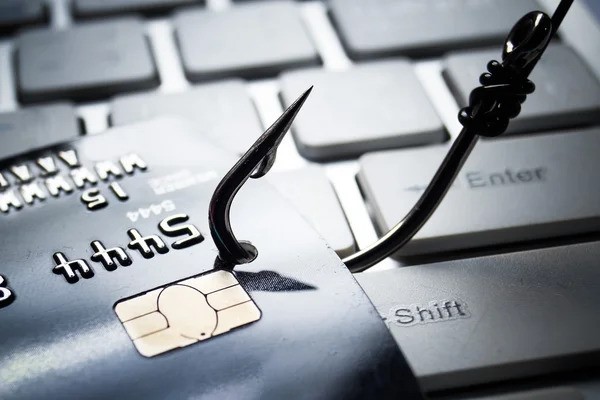
Phishing attacks rely on communication methods such as email, through which attackers try to persuade the recipient to open the message and follow the instructions it contains. If the victim follows the attackers’ instructions, they can gain access to the victim’s personal data, such as credit card details, and can also install malware on their device.
-
Spoofing, or Faking Contact Details
Cyberattackers sometimes impersonate people or companies to try to get you to hand over your personal data. This can happen in several ways. A common spoofing strategy is to use a fake phone number, where the person being called cannot see that the number is fake. Other spoofing methods include tricking facial recognition systems, using a fake domain name or creating a fake website.
-
Trojan Horses
So-called Trojan attacks involve malicious programs that can install malware or data and open a kind of “back door” into your computer system. As the name suggests, this is done entirely hidden from the victim, so once the attackers gain access to the back door, they can “hijack” the device without the user knowing about it.

-
Ransomware
Ransomware is malicious software that cyberattackers can install on your device, allowing them to block access until you pay the attackers a ransom. However, paying the ransom does not guarantee that the software will be removed, which is why experts often advise that, if possible, no one should pay it and should seek help instead
-
Password Attacks
Password attacks can be as simple as someone correctly guessing your password after many attempts. However, there are methods such as keylogging, where attackers monitor all the information you type in a day and identify passwords from it. The attacker may also use the phishing approach mentioned above, disguising themselves as a trustworthy site in an attempt to trick the victim into revealing their account credentials.
-
Internet of Things (IoT) Attacks
This term essentially refers to various uniquely identifiable electronic devices that can detect some meaningful information and communicate it to another device over an internet-based network. The communication channels between connected IoT components can be vulnerable to cyberattacks, as can the applications and software on IoT devices. Because these IoT devices are connected to one another via the internet and may have limited security features, they offer a wider attack surface for attackers to target.
-
Cryptojacking
So-called cryptojacking is the unauthorised use of a computer system, usually through malware that allows the attacker to use the computer’s resources to mine cryptocurrency. Cryptocurrency mining can involve significant operating costs, so cryptojacking is the easier route, giving attackers a way to avoid these costs.

-
Drive-By Downloads
Drive-by download attacks occur when malicious code is downloaded onto someone’s device through an application, website or operating system whose security is flawed. This means that even though you have done nothing wrong, anyone can fall victim to a drive-by download, as it can result from a lack of security measures on a website that appears perfectly safe to users.
-
Denial-of-Service Attacks (DDoS)
A denial-of-service attack takes down an entire device or operating system by overloading it with traffic, which eventually causes it to crash. Attackers do not often use this method to steal information. In return, however, it costs the victim time and money to get their systems working again. Cybercriminals generally prefer to use this method when the target is a commercial organisation or a government entity.
How Can We Prevent Cyberattacks?
An important first step in preventing cyberattacks is to ensure that both the head of the organisation and its other employees are aware of all the possibilities and variations of cyberattacks. It is extremely important to pay attention before clicking on a link, and checking that an email address is legitimate, among other things, is also key to fending off at least the surface-level attacks and keeping our systems’ data safe.

Here are some useful tips for preventing cyberattacks:
-
Software Updates
Up-to-date software systems are far more resilient than outdated versions, which may be prone to weaker performance. Updates can fix software bugs and weaknesses, so it is always best for your system to be running the latest version.
-
Installing a Firewall
Firewalls are useful in preventing many attacks, such as back doors and denial-of-service attacks. In essence, they control the network traffic passing through the system. A firewall stops all suspicious activity that it judges to be potentially harmful to the computer.

-
Backing Up Your Data
During a backup, data is moved to another, secure location for storage. This may involve cloud storage or a physical device such as a hard drive. In the event of an attack, backing up your data makes it possible to restore lost data immediately.
-
Encrypting Data
Data encryption is a popular method of preventing cyberattacks, ensuring that data is accessible only to those who hold the decryption key. To successfully attack encrypted data, attackers often have to rely on the brute-force method (also known as exhaustive search), trying different keys until they find the right one, which makes the encryption difficult to crack.
-
Using Strong Passwords
You should have strong passwords to prevent attacks and avoid using the same passwords for different accounts and systems. Reused passwords increase the risk of attackers gaining access to all your information. Updating passwords regularly and using passwords that combine special characters, upper- and lower-case letters and numbers can help protect your accounts.
-
In Summary
In summary, cyberattacks pose a significant threat to individuals and organisations alike, and their number is expected to keep growing. The attack types and defence methods presented in this article help us understand the threats we face and how to defend against them effectively. Using Sonar products, Szitár-Net provides its clients with high-level code analysis and cybersecurity solutions that make it possible to identify and eliminate software vulnerabilities, thereby guaranteeing the security of data and systems.